Good Morning
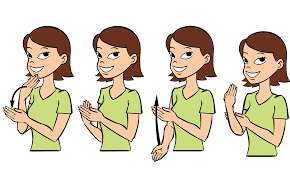
Good Morning
With the second hand, bring the flat and palm up hand from under the first arm up and towards you – like the sun coming up over the horizon
Good Afternoon
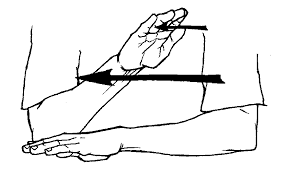
Good Afternoon
use a two-part sign for each, combining the sign for "good" with the specific time of day.
Good Night
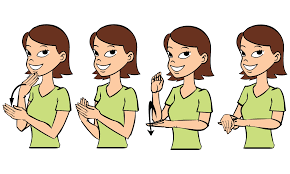
Good Night
"good night" is a compound sign made by first gesturing "good" (fingers of dominant hand touch mouth and move down to meet the non-dominant hand) and then "night" (dominant hand rests on non-dominant arm, representing the sun setting). It is commonl
Hello
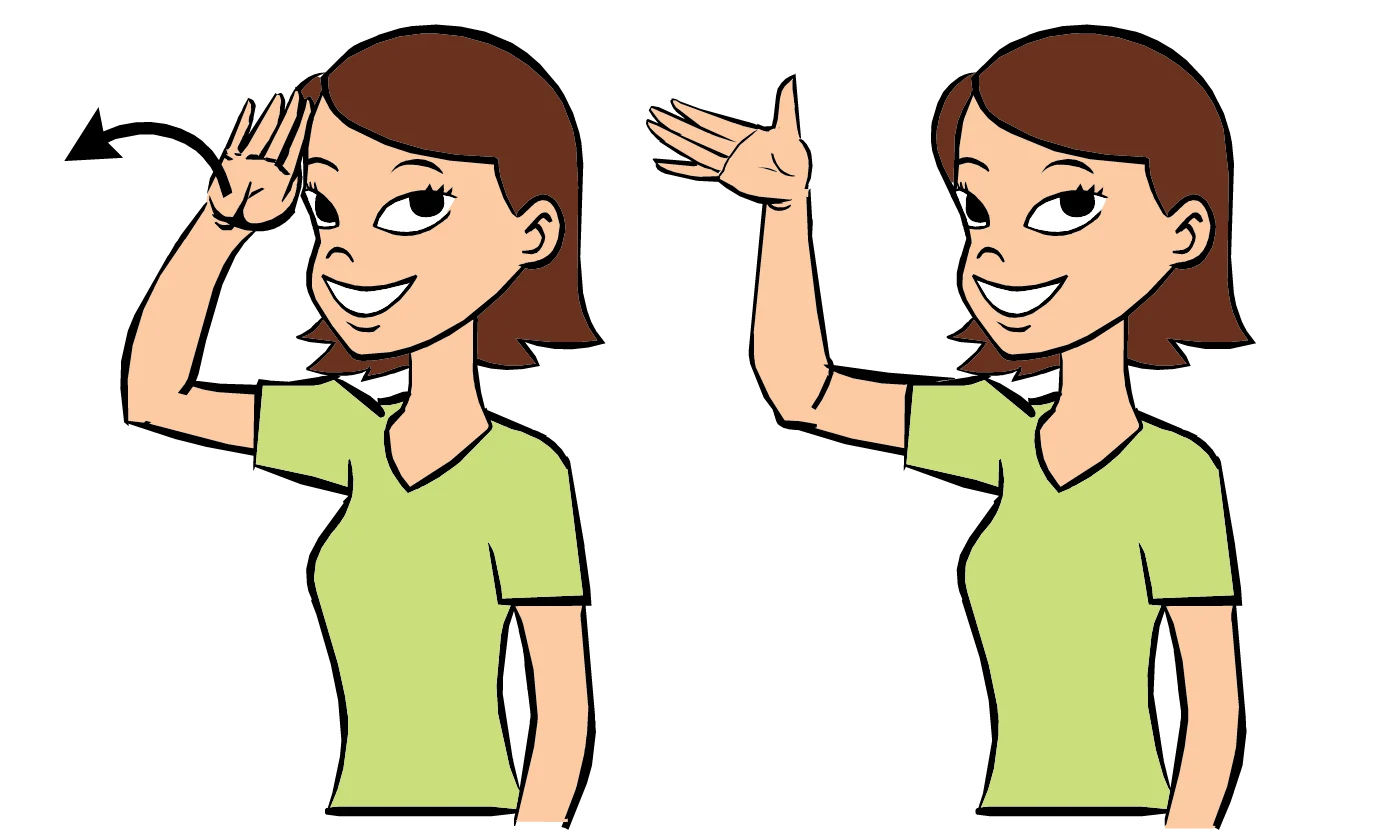
Hello
placing the dominant hand, with the fingers together and palm facing outward, on the side of the forehead near the ear, then moving it outwards, away from the body
Hi
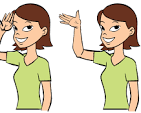
Hi
a flat hand facing forward, moving outward like a salute.
Happy
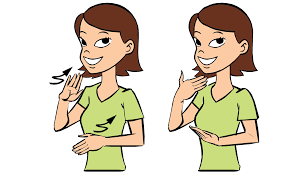
Happy
Bring one hand up to your chest, the palm is flat and the fingers all touch, with the thumb out to the side a little bit.
Happy New Year
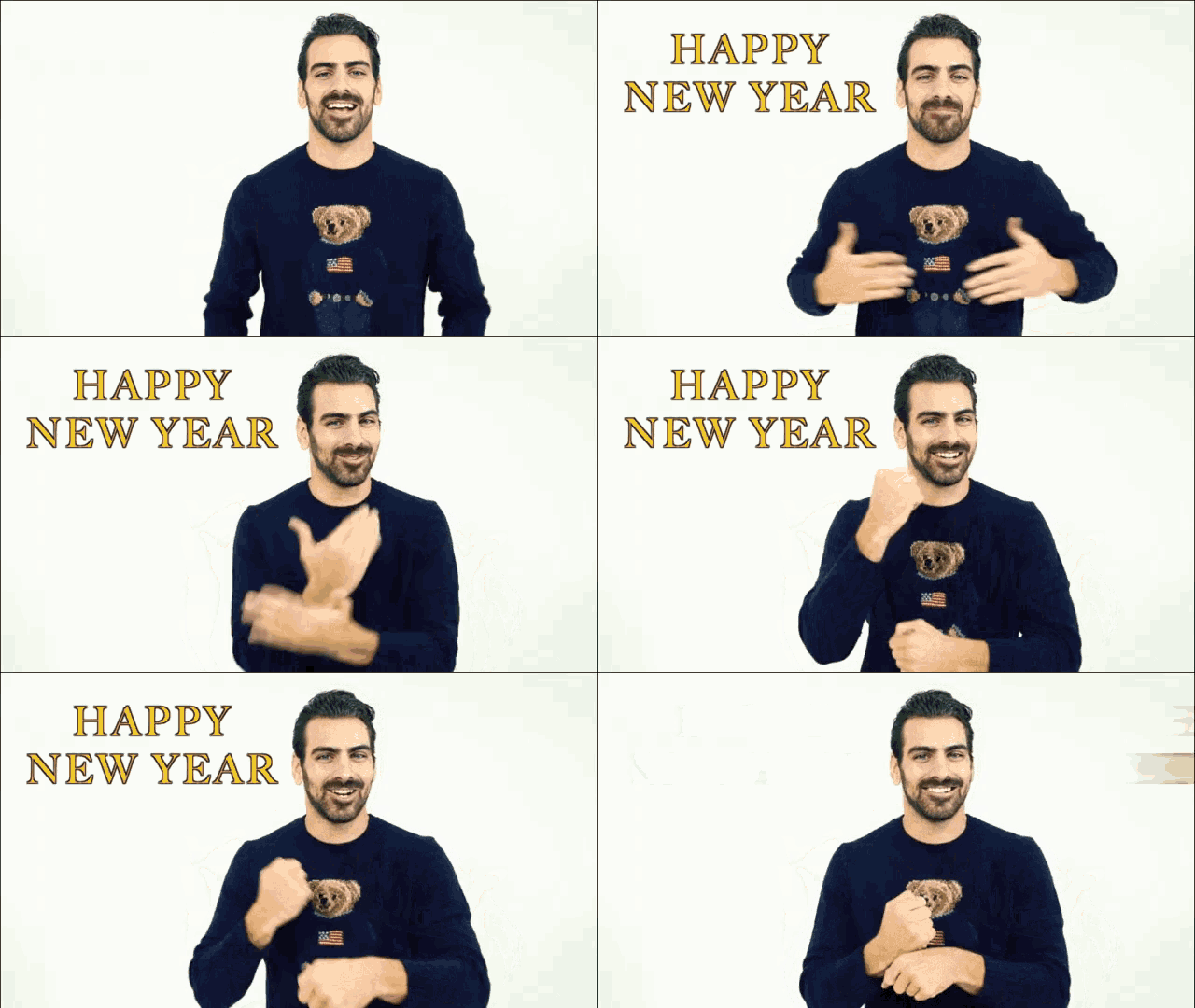
Happy New Year
Hands to sign the word year two S hand shapes. One right around the other you're circling.
Christmas
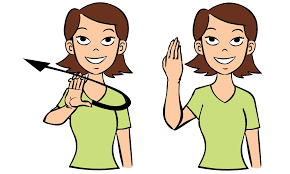
Christmas
forming a "C" with your dominant hand, bringing it down in an arc, and twisting it upward, often with the elbow resting on the non-dominant hand or in the air. "Merry Christmas" combines this sign with "Happy" (flat hands brushing up on the chest).
Happy Birthday
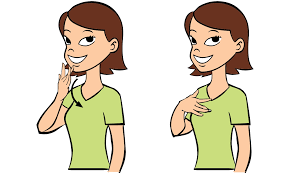
Happy Birthday
To sign "Happy Birthday" in American Sign Language (ASL), combine the signs for "happy" (flat hands tapping or brushing up on the chest) and "birthday" (middle finger touching the chin then moving down to the chest). A cheerful facial expression is e
How are you?
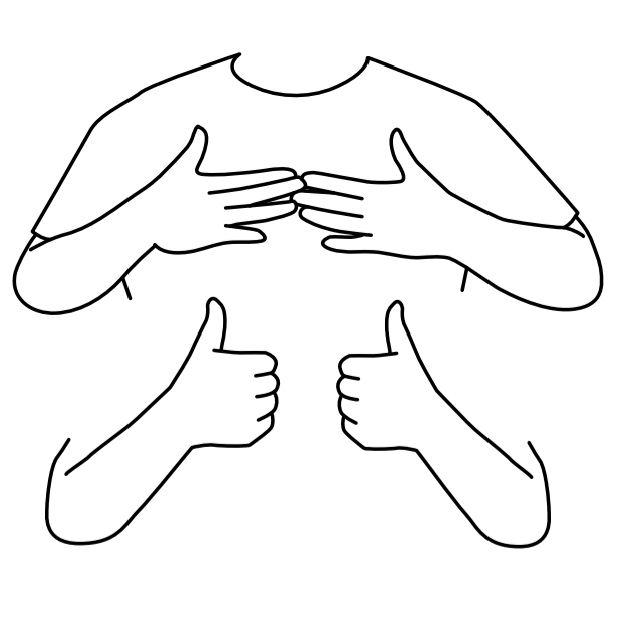
How are you?
To sign "How are you?" in American Sign Language (ASL), curve both hands with palms facing down and knuckles touching, then roll them forward to face up, followed by pointing to the person addressed. Pair this with a facial expression that includes l
I'm Fine
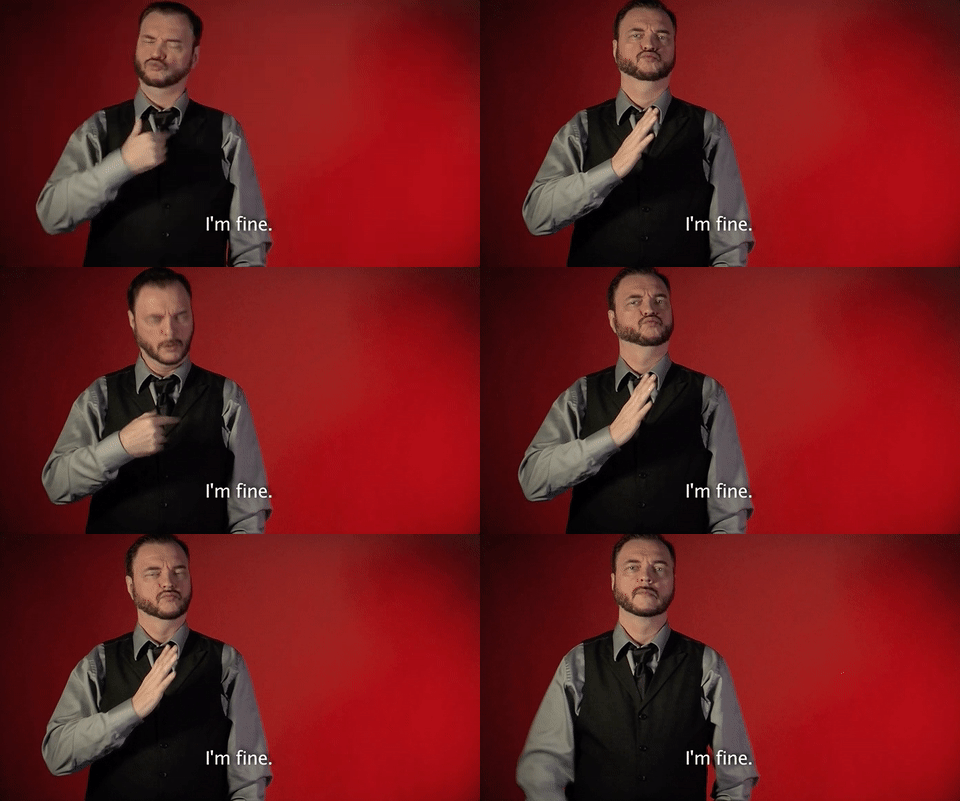
I'm Fine
"I'm fine" is signed by tapping the thumb of an open hand (5-handshape) against the center of the chest one or two times. The motion indicates feeling good or fine. It is often used as a response to "How are you?".
I'm not well
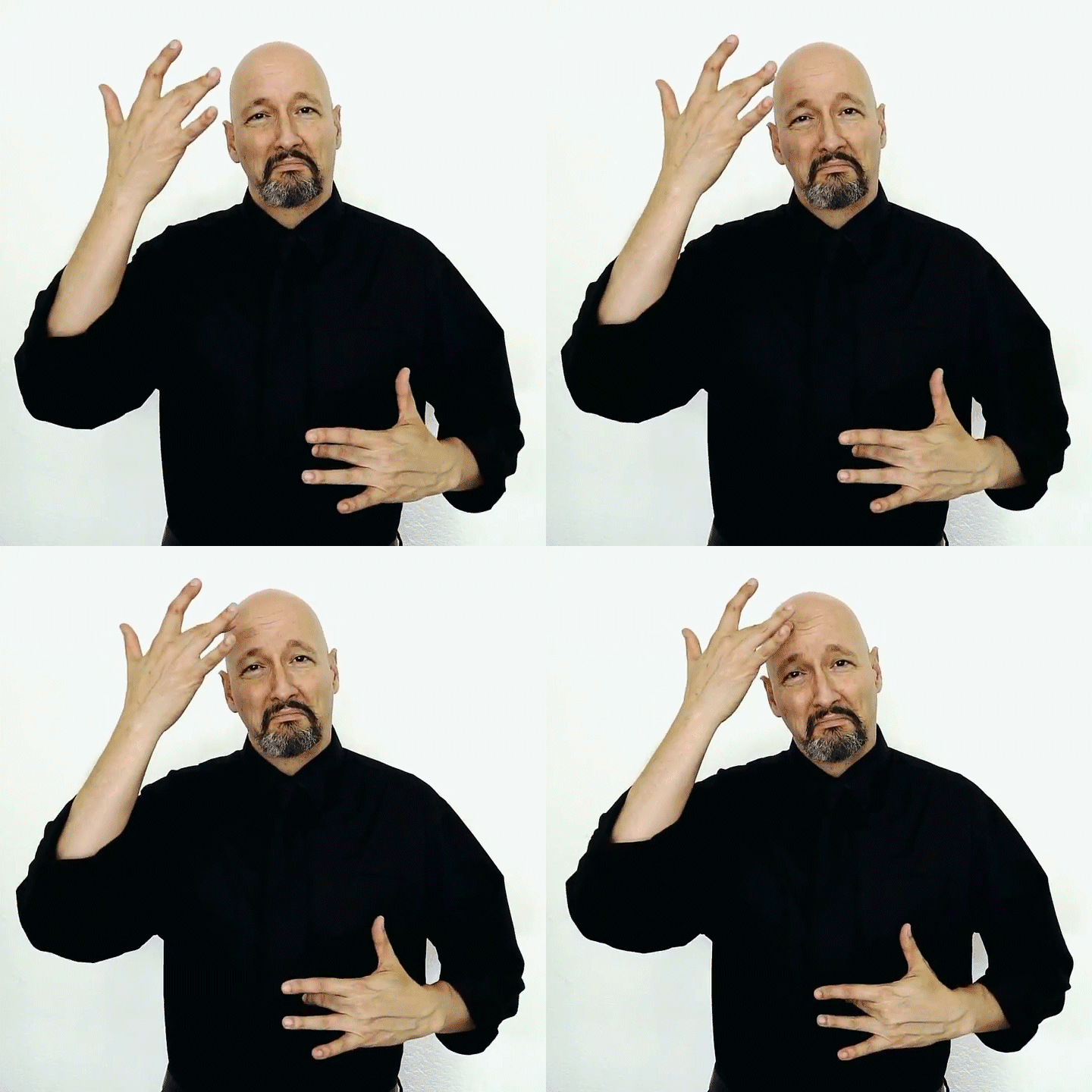
I'm not well
use both hands with middle fingers bent and splayed, placing one on the forehead and one on the stomach while showing a pained facial expression. Alternatively, for "unhealthy," push both open hands forward from the chest while turning them into fist
See you later
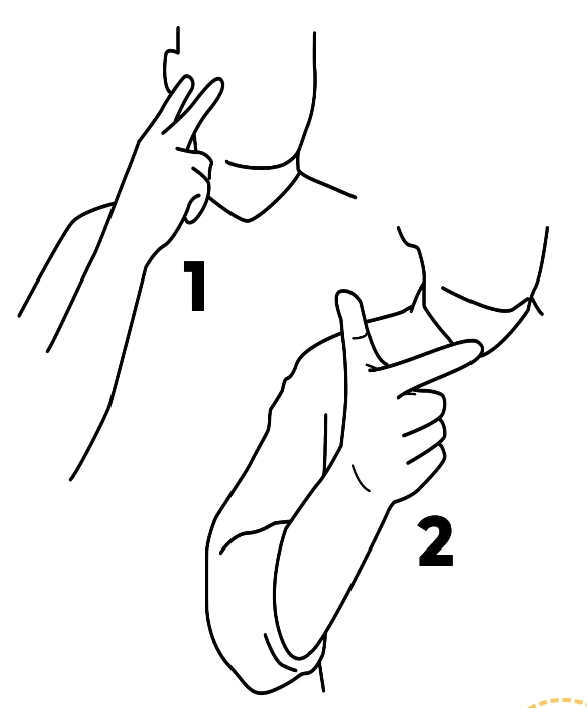
See you later
make a "V" or "2" handshape with your dominant hand near your eye, move it forward (representing "see you"), and then transition into the "L" handshape by dropping it downward (representing "later"). It is a combination of signs that can be done quic
Nice to meet you
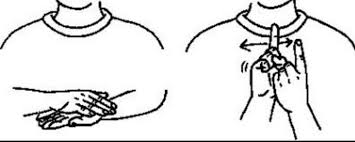
Nice to meet you
you combine signs for "nice," "meet," and "you," often with a friendly facial expression, involving brushing your hands together for "nice," bringing two index fingers together for "meet," and then pointing to the person for "you".
Take Care
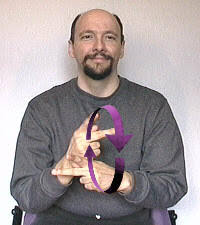
Take Care
form both hands into the letter 'K' (thumb between index and middle finger), stack the dominant hand on top of the non-dominant, and tap them together twice. This sign implies "take care of yourself" or is used as a goodbye.
Age
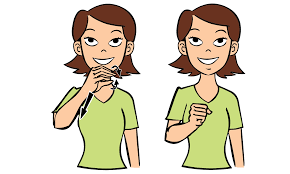
Age
age is typically signed by touching the chin (the "age spot") with a number handshape and moving it outward. For ages 1–9, the number is incorporated into this motion. For 10 and above, you sign "OLD" (pulling a "C" or "S" handshape down from the chi
Old
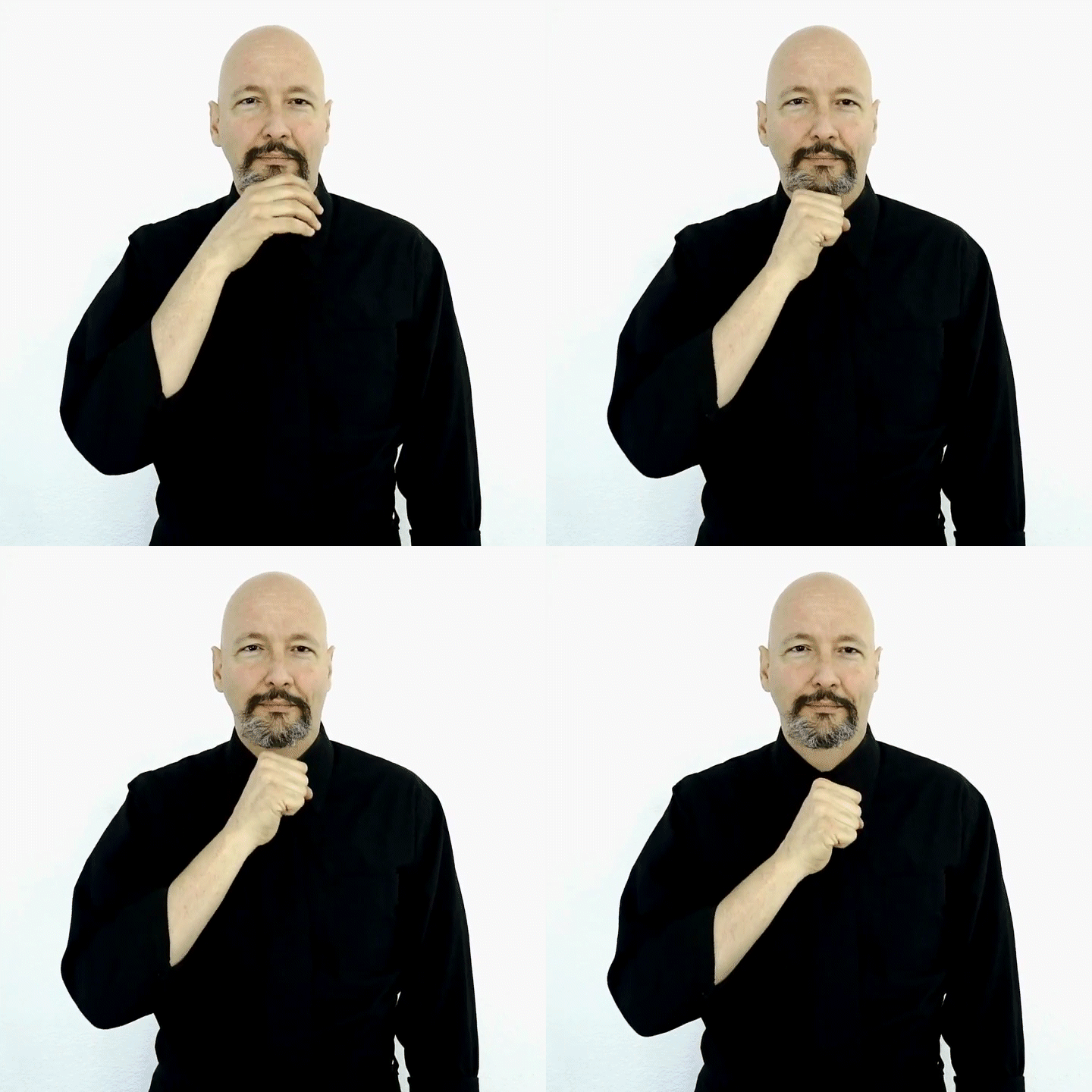
Old
the phrase "years old" for ages 1-9 is typically signed by starting with the number handshape (1-9) touching the chin and moving outward, known as the "age spot". For example, "7 years old" is a "7" handshape flicked away from the chin. For ages 10 a