Emergency
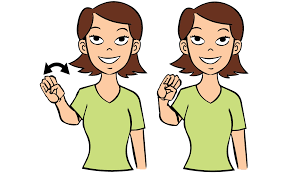
Emergency
form the letter "E" with your dominant hand (thumb tucked across the palm, fingers curled over it) and shake it back and forth rapidly from side to side in front of your chest.
Help
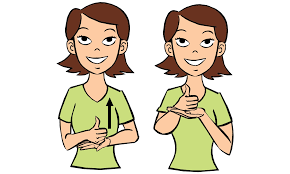
Help
"help" is signed by placing a closed-fist dominant hand (thumb up/A-shape) on top of an open, flat non-dominant palm, then lifting both hands upward together. T
Hospital
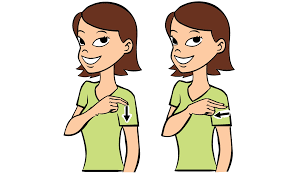
Hospital
the sign for "hospital" is made by forming the letter 'H' with your dominant hand and tracing a cross shape (representing a Red Cross) on your opposite shoulder or upper arm.
Doctor
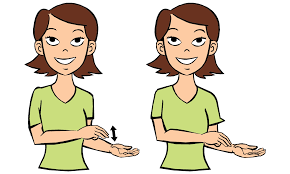
Doctor
tap the fingertips of your dominant hand (often in a bent handshape or 'D' handshape) twice onto the inner wrist of your non-dominant hand.
Call
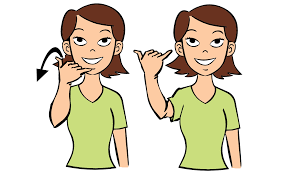
Call
the phone call sign (Y-handshape moving out from the head) for voice/phone, a specific sign for summoning someone (striking the back of the non-dominant hand and pulling away), and other signs for text or specific device calls, with the general phone
Ambulance
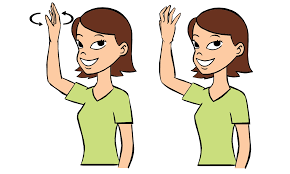
Ambulance
Form both hands into half-open "C" shapes (or loose fists with thumbs to fingers) at face level on either side, then rotate them outward, opening and closing the fingers to represent flashing lights.
Fire
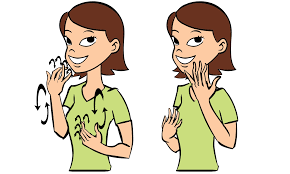
Fire
ou typically use both hands in the "5" handshape (open hand, fingers spread), wiggling your fingers as you move them in vertical circles or upward to mimic flickering flames rising, representing the visual and rising motion of fire. The exact motion
I'm Lost
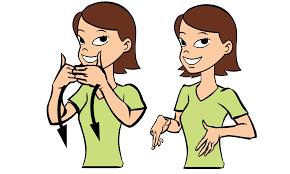
I'm Lost
bring the fingertips of both hands together into a "flat O" shape, palms up, then move them downward and apart to a 5-handshape, as if dropping an object.
Police
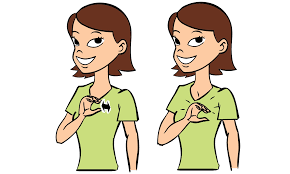
Police
forming a "C" shape with the dominant hand and tapping it to the chest to mimic a badge
Police Station
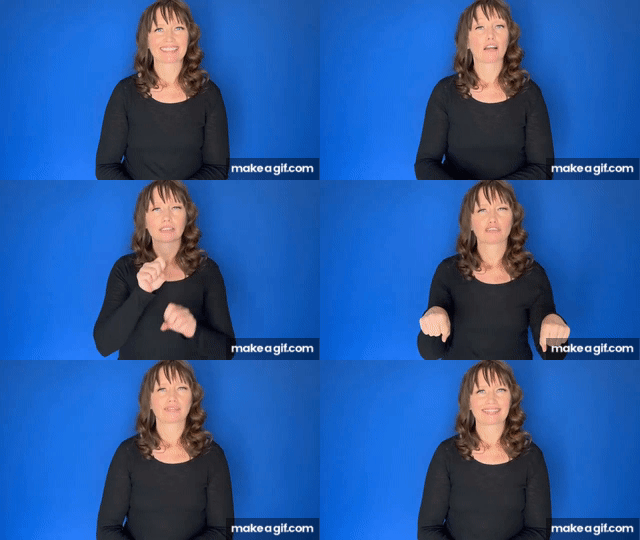
Police Station
for "police station" combines the signs for "police" (tapping a 'C' handshape on the opposite chest, mimicking a badge) and "station" or "house" (forming a roof shape with both hands).
Steal
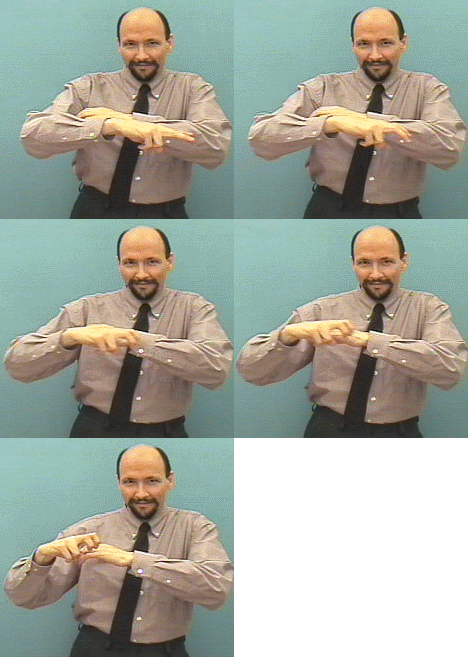
Steal
holding the non-dominant forearm stationary (often as a flat arm or fist) while the dominant hand forms a 'V' shape (index and middle finger extended). The 'V' fingers move toward the elbow, then hook/bend while pulling back quickly to mimic snatchin
Stop
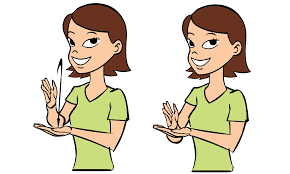
Stop
hold your non-dominant hand flat, palm facing up. Bring your dominant hand (also flat, palm down, fingers together) down in a chopping motion, striking the pinky side against the base hand.
Don't
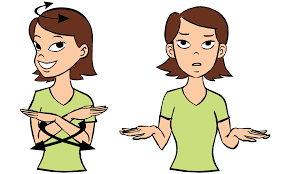
Don't
point to yourself (I), sign "DO," followed by a "NOT" sign (flicking your thumb out from under your chin) while shaking your head.
Use
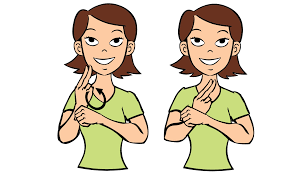
Use
forming a "U" handshape with the dominant hand and moving it in a small circle, tapping the back or side of the non-dominant "S" hand (or a relaxed hand). It is similar to the sign for "work" but initialized with a "U".
Phone
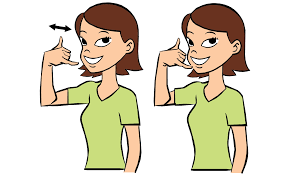
Phone
form a "Y" handshape (thumb and pinky extended, middle three fingers curled) and place the pinky side near your mouth and your thumb near your ear, mimicking holding a phone. It is a natural gesture often used for both telephone and smartphone.
Where is my Wallet?
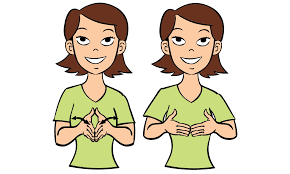
Where is my Wallet?
sign WALLET (open/close hands twice to mimic a billfold), MY (flat hand on chest), and WHERE (shaking index fingers, palms up). The sentence structure is typically "WALLET MY WHERE?" with a questioning facial expression (eyebrows down).