Time
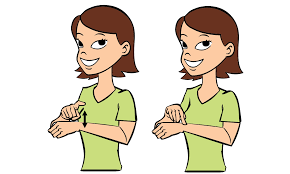
Time
you tap your dominant index finger on your non-dominant wrist (where a watch would be) to mimic checking a watch, often tapping once or twice.
Calendar
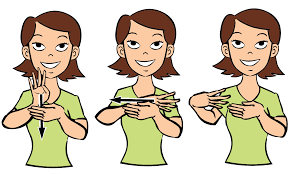
Calendar
the sign for "calendar" is made by placing your dominant hand in a "4" handshape or a "C" handshape and moving it in a grid-like motion (down, then across) over your non-dominant, flat palm to represent the pages of a calendar.
7 O'clock
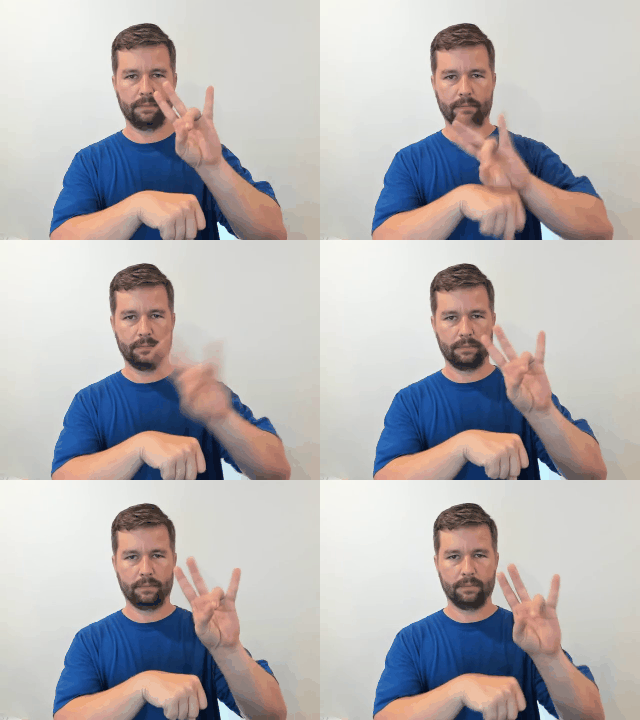
7 O'clock
form the number "7" (touching the tip of the thumb and ring finger) with your palm facing outward. Bring this handshape down to tap the back of your non-dominant hand or near the wrist, then twist or shake it slightly.
Quarter
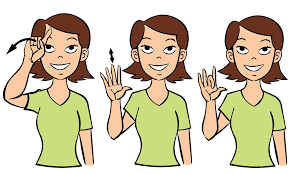
Quarter
first touching the forehead with the index finger to sign "cent," followed immediately by signing the number 25. For a "quarter" of time or a part of a whole, a "Q" handshape is shaken slightly in front of the chest.
Hour
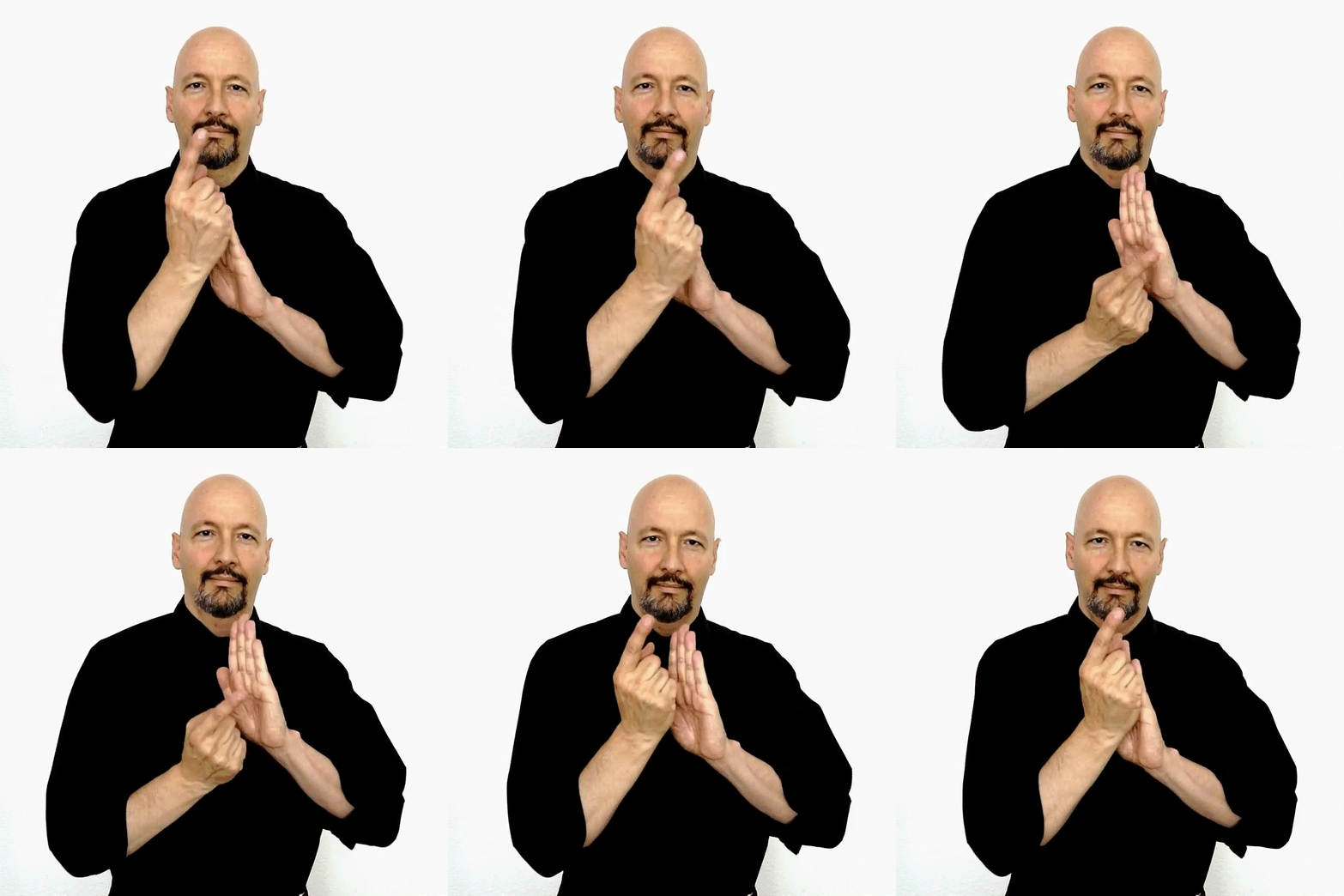
Hour
holding the non-dominant hand flat (palm facing up or toward the chest) to represent a clock face, while the dominant hand, in a "1" handshape (index finger extended), draws a full circle clockwise on the palm.
Minute
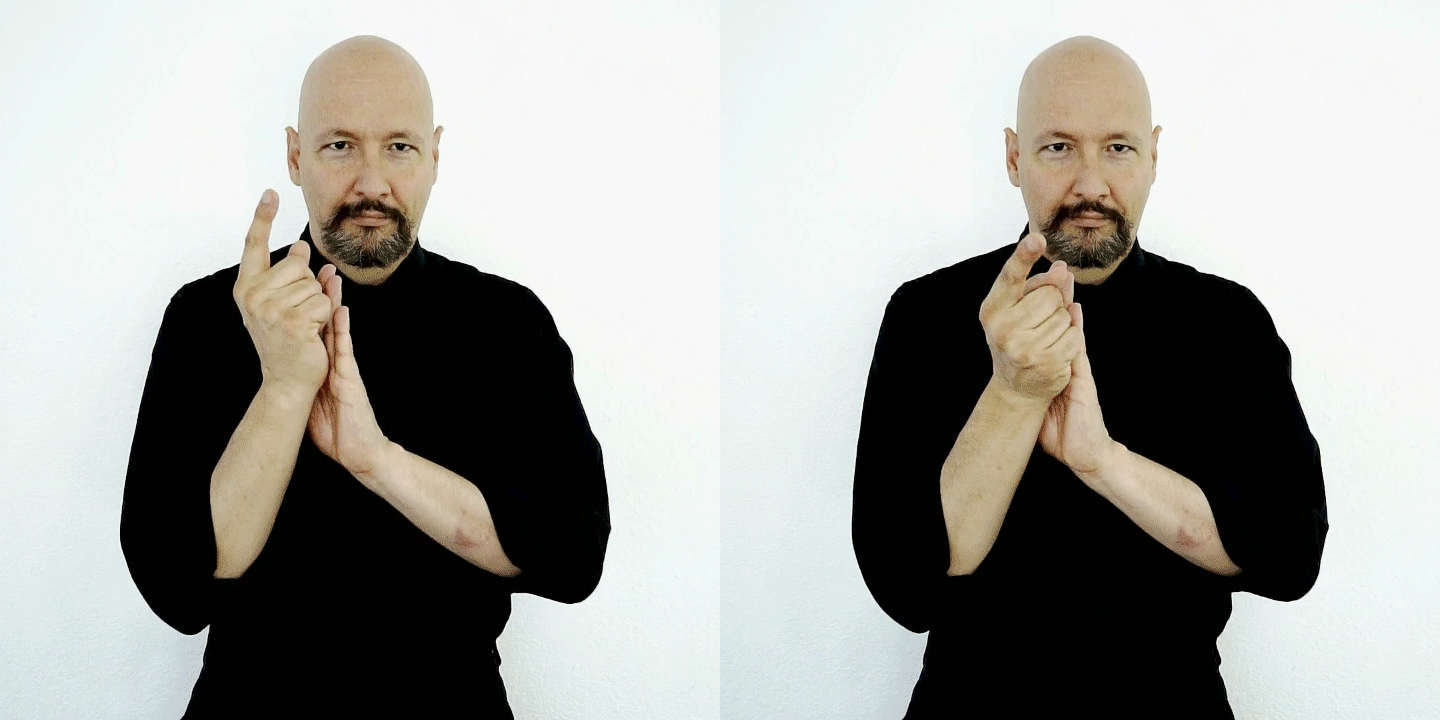
Minute
A common method involves placing the base of the dominant index finger against the palm or index finger of the non-dominant hand and pivoting the dominant hand forward slightly.
Second
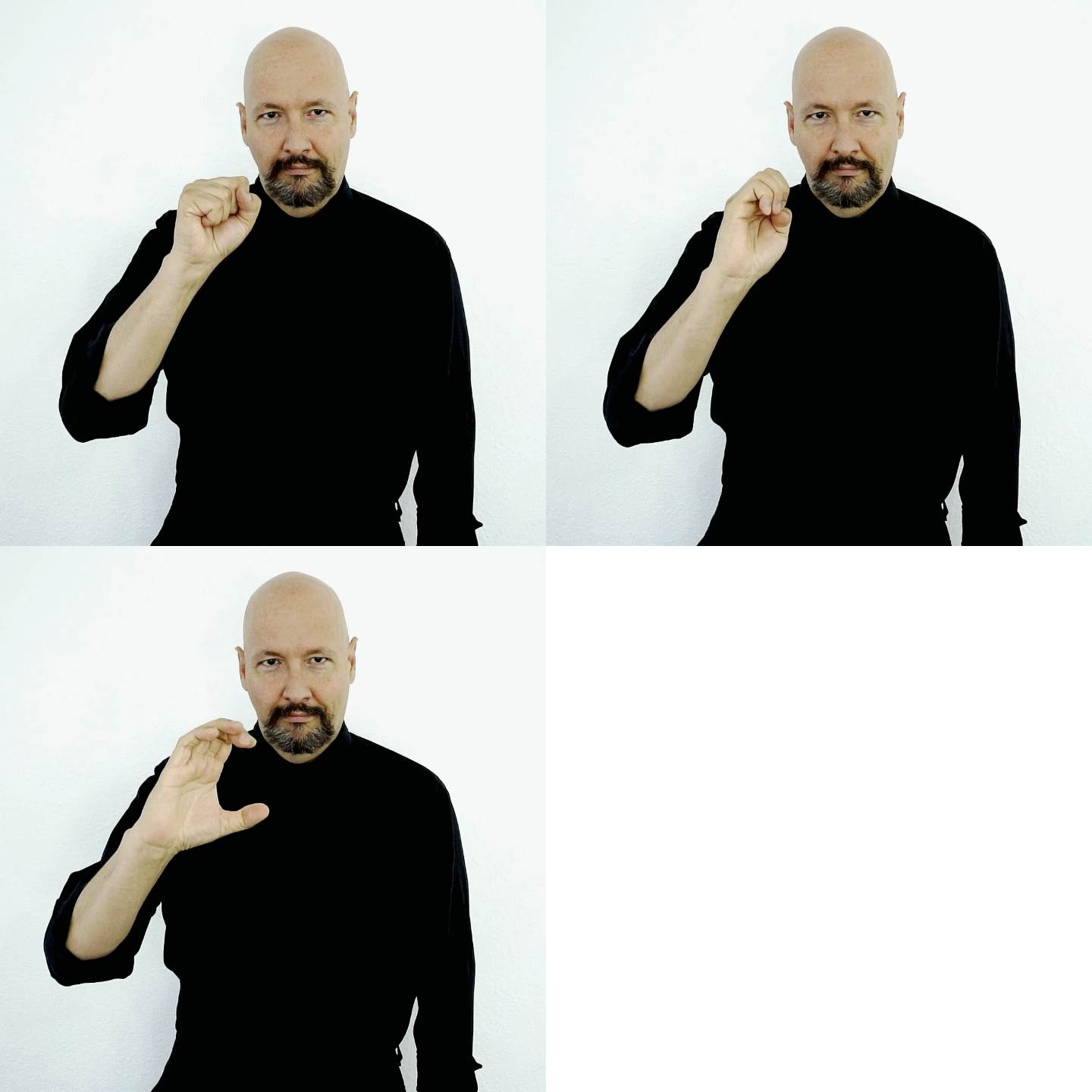
Second
flat "b" shape and the primary hand is an "s" shape, with the curled thumb and index finger against the palm.
Today
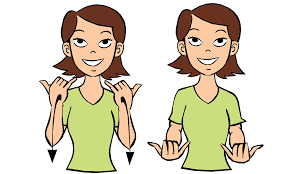
Today
form both hands into the letter 'Y' (thumb and pinky extended, middle fingers curled) with palms facing up, and move them down in a slight, double-bouncing motion.
Yesterday
Yesterday
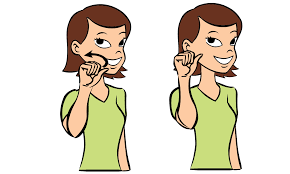
forming an 'A' handshape (fist with thumb on the side), touching the thumb to the chin, and moving it backward towards the ear or jawline to represent the past.
Tomorrow
Tomorrow
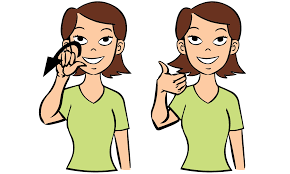
forming a letter "A" handshape (fist with thumb alongside) and placing the thumb side against the cheek or chin, then flicking the hand forward in a small arc to represent moving into the future.
Now
Now
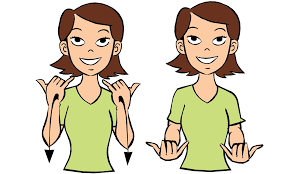
use both hands in a "Y" shape (thumb and pinky extended, middle fingers curled), with palms facing upward. Sharply move both hands down a few inches, making a single motion
Soon
Soon
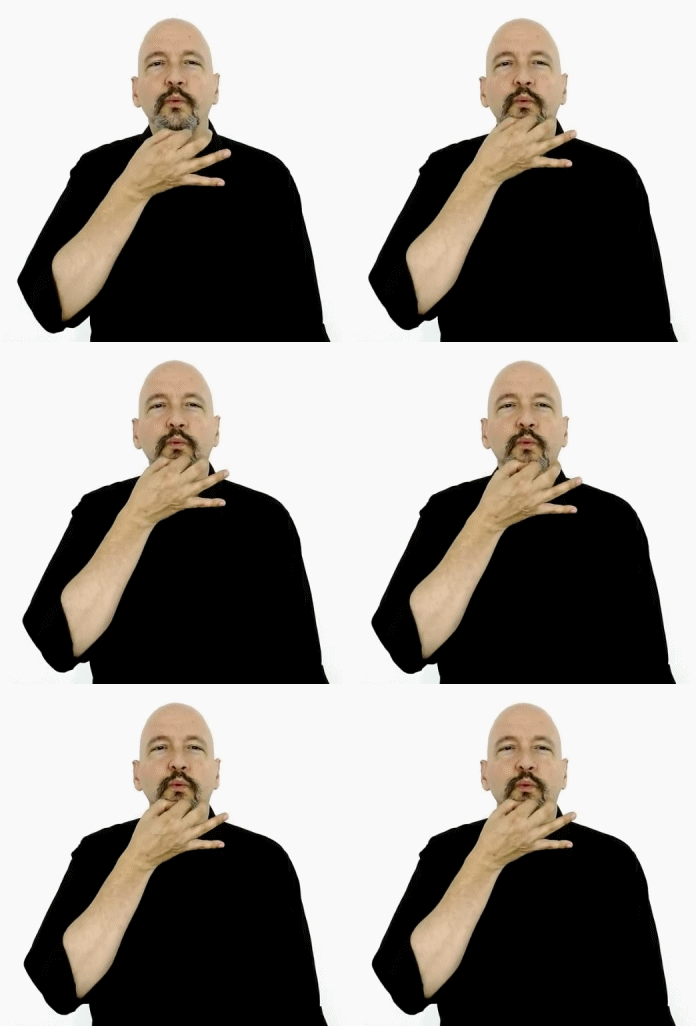
"soon" is commonly signed by tapping an "F" handshape under the chin twice. Another variation involves placing both hands in an "H" shape, with the dominant hand rubbing back and forth on top of the non-dominant hand.
Week
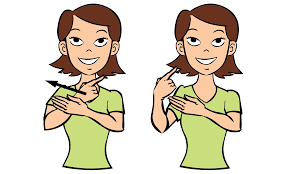
Week
To sign "week" in ASL, use your dominant hand's pointer finger to run across the palm of your non-dominant hand.
Monday

Monday
The sign for "Monday" is generally done "palm up." Some ASL books show the sign MONDAY being done with the palm facing down
Tuesday
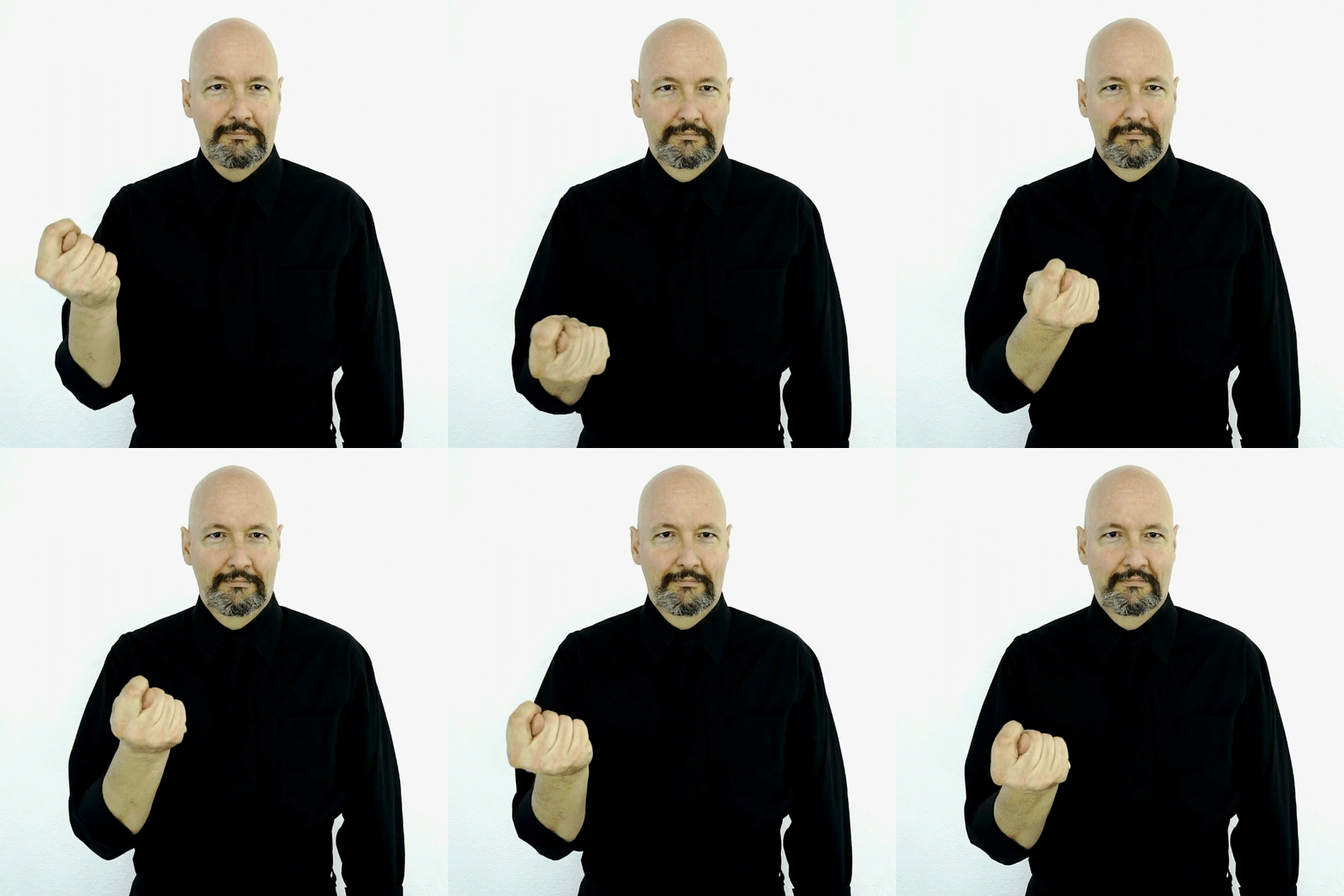
Tuesday
form the letter "T" with your dominant hand (thumb between index and middle finger), palm facing inward, and move your hand in a small, backward circle.
Wednesday
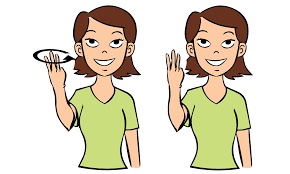
Wednesday
form your dominant hand into a "W" shape (thumb, index, middle, and ring fingers extended) with the palm facing toward you. Position the hand near your shoulder and rotate it in a small, circular motion.
Thursday
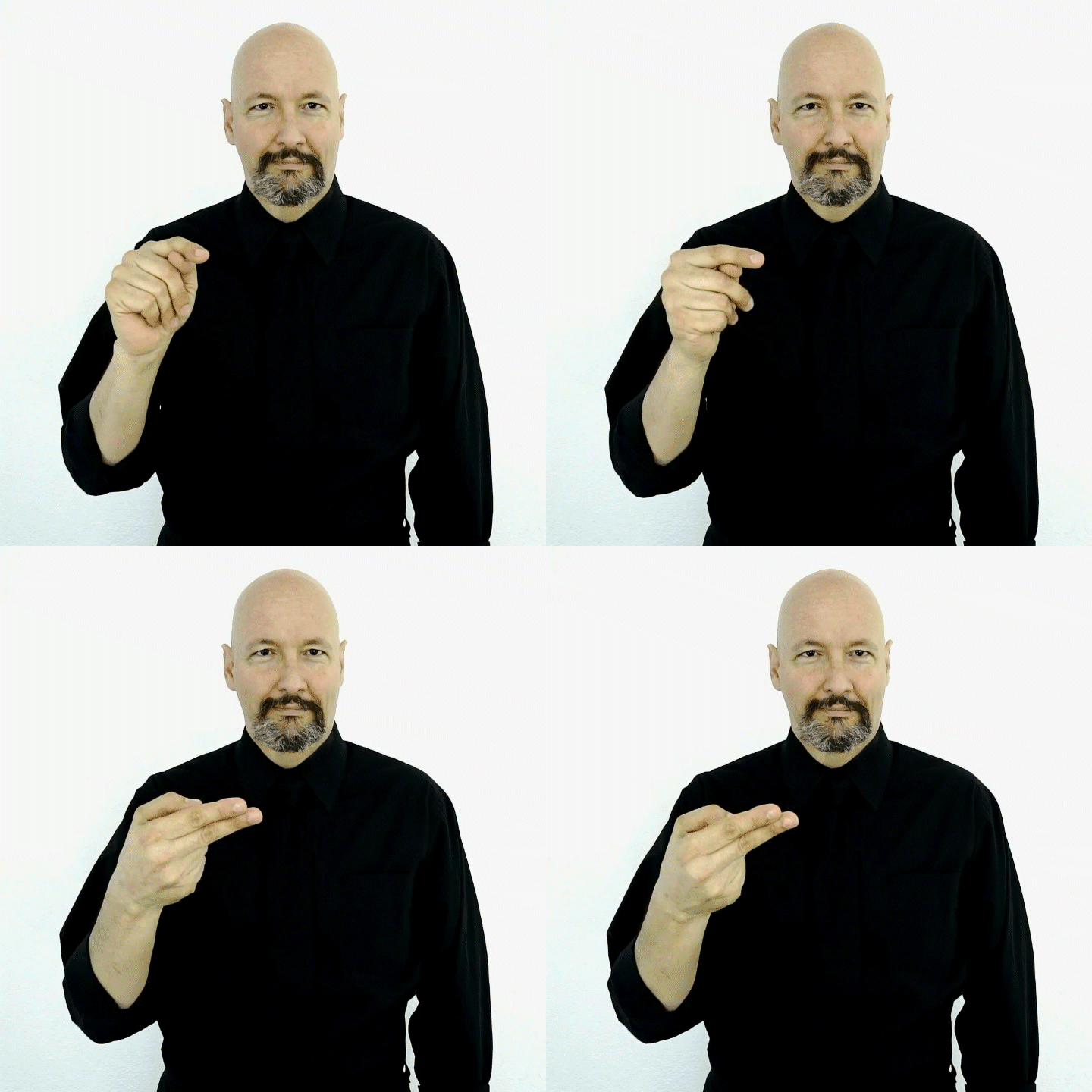
Thursday
form the letter 'H' with your dominant hand (index and middle fingers extended, thumb tucked) and make a small backward circle in the air, usually near shoulder level. Alternatively, some signers use a 'T' handshape that flips into an 'H'.
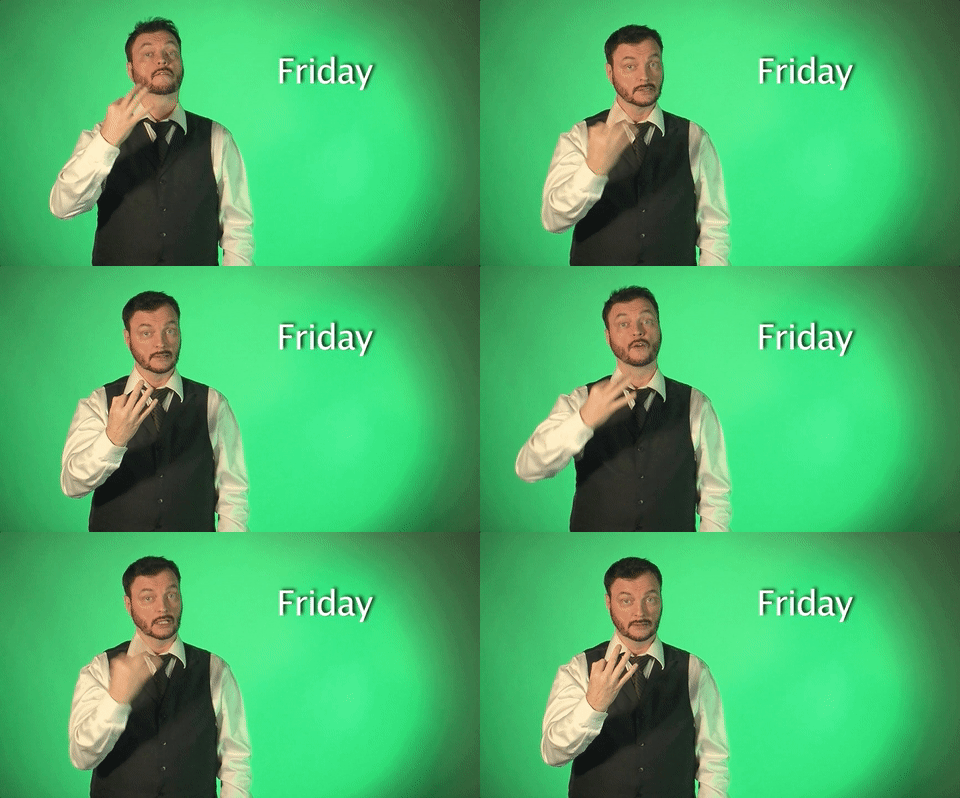
Friday
Friday
Form the letter "F" with your dominant hand (touch your thumb and index finger together to form a circle, with your other three fingers standing up).
Saturday
Saturday
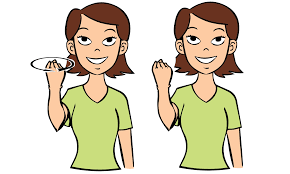
form your dominant hand into an "S" shape (fist with thumb on side) and move it in a small, repeated circular motion at shoulder level, palm facing toward you or slightly upward. This sign often mimics a washing motion, representing the historical, t
Sunday
Sunday
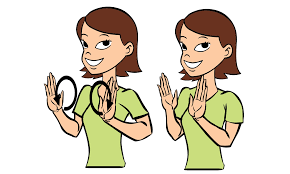
hold both hands up at head level with palms facing forward, using open "5" handshapes, and move them in large, outward circular motions. This represents raising hands in praise. Another variation involves bringing the hands down from a high position
Month
Month
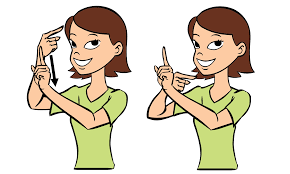
the sign for "month" is made by forming both hands into the letter '1' (index finger extended). The non-dominant hand faces outward, while the dominant hand's index finger starts at the top of the non-dominant index finger and slides down to the bas
Midnight
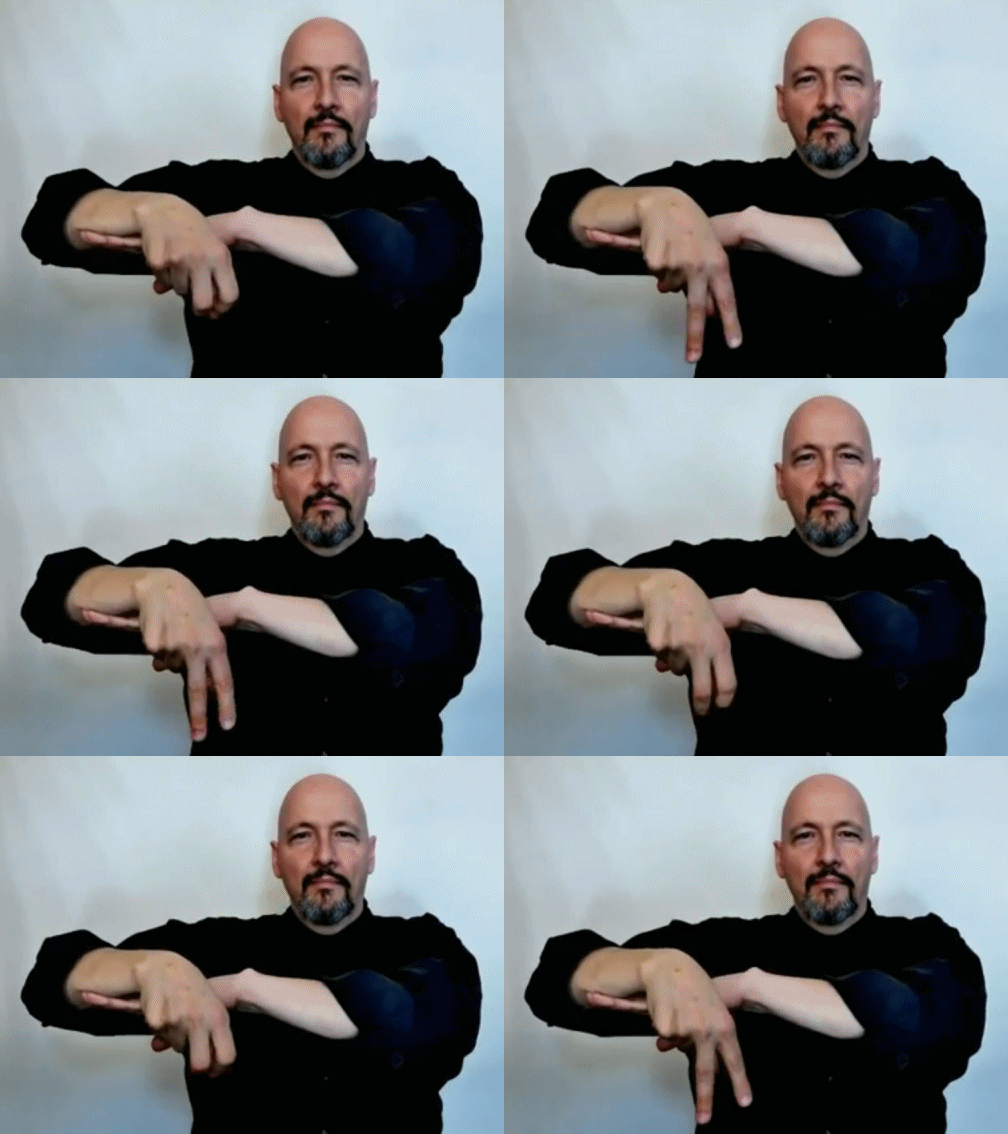
Midnight
form the sign for "12" with your dominant hand (index finger up for 1, then two fingers for 2, or just tapping 1 then 2) and turn it upside down, placing it under your non-dominant arm (which is held horizontally to represent the horizon/night). Thi
Morning
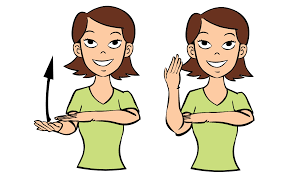
Morning
your non-dominant arm rests horizontally as the horizon, with the dominant flat hand starting at the wrist (below the horizon) and moving up in an arc, like the sun rising; for "good morning," you combine the sign for "good" (flat hand to chin, move
Afternoon
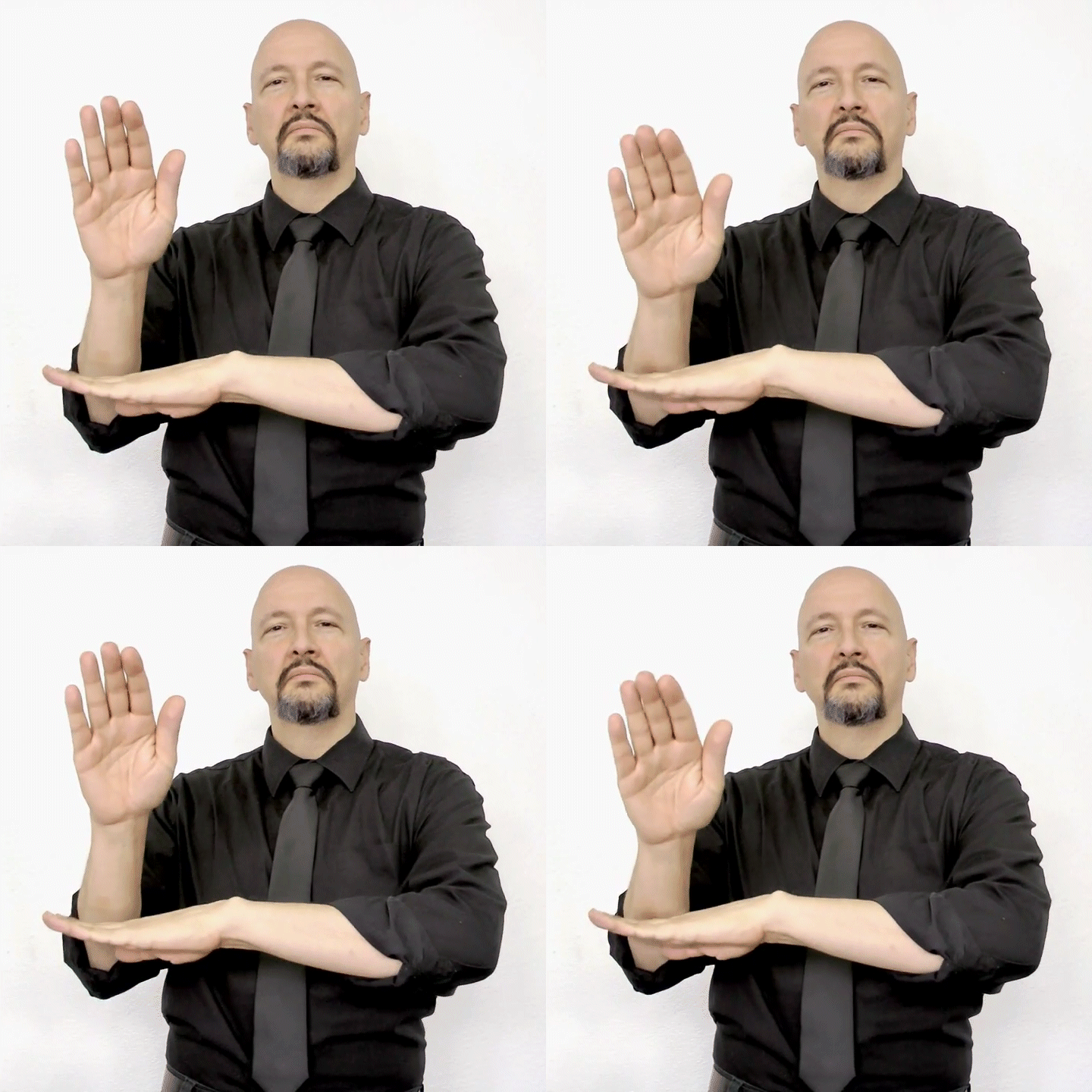
Afternoon
the sign for "afternoon" represents the sun's position, with the dominant hand flat, palm facing down, and held in front of the body at roughly a 2 o'clock (or mid-sky) position, sometimes lowering slightly. The non-dominant hand or arm can represent
Summer
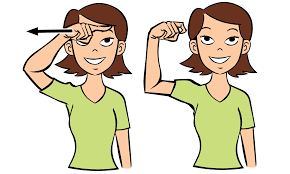
Summer
form your dominant hand into a "1" (index finger pointed) and place it against your forehead, palm facing down. Draw the finger across to the other side while closing it into a hooked 'X' shape, mimicking wiping sweat from your brow.
Rain
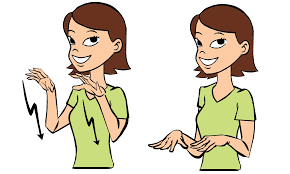
Rain
hold both hands up at head height with fingers spread and palms facing down, then move them down in a, gentle, wavy, or repetitive, downward, motion to mimic, falling, rain,.
Cloud
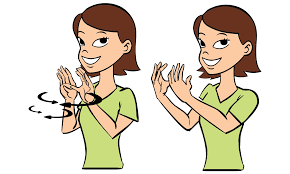
Cloud
use both hands with fingers spread and slightly bent (loose claw or "5" hands), palms facing down or slightly toward each other. Move your hands in alternating, opposite circular motions in front of you, representing fluffy clouds in the sky.
Wind
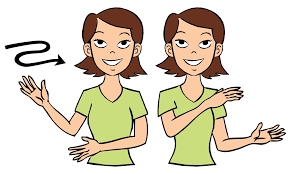
Wind
hold both flat, open hands in front of you with palms facing each other, then sway them back and forth in tandem to mimic air moving. The movement often flows side-to-side, representing blowing wind.
Thunder
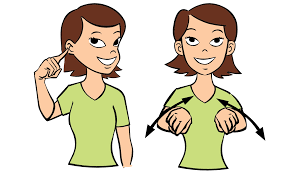
Thunder
the sign for "thunder" typically involves pointing to the ear with the index finger to indicate hearing, followed by shaking two fists in front of the body to represent the rumbling, booming sound. Another variation includes using the index finger to
Winter
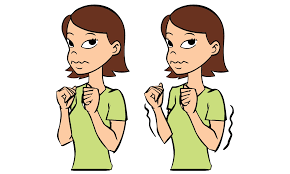
Winter
winter is signed by holding both hands in "S" shapes at chest level, pulling them in toward your sides, and shaking them back and forth to simulate shivering. It is often indistinguishable from the sign for "cold," with context or facial expressions
Autumn
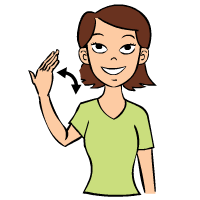
Autumn
Form a "B" handshape with your dominant hand and brush it downward against the elbow of your non-dominant arm, which is held horizontally to represent a tree branch. This movement is typically done twice in a slightly jerky motion.
Sun
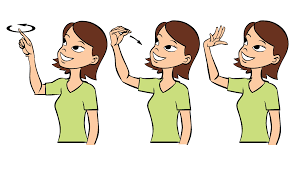
Sun
the sign for "sun" is typically made by forming a letter 'O' or a closed claw shape with your dominant hand near your forehead or in front of your face, then moving it upward and outward while opening your fingers to represent rays of light.